We already describe why this is so important for your business and what these strategies are all about.
Get in touch: Bartosz.Lenert@Lab360.com.pl / 530577734, or come to our office to discuss your needs, so be like Elvis and “Rock your messages like The King”
And now let’s write what it’s about.
In this piece of material, we highlight the importance of communication strategies in today’s times through a number of key points. Quoting this content, it can be noted that the importance of the communication strategy results from several fundamental aspects:
Generaly.
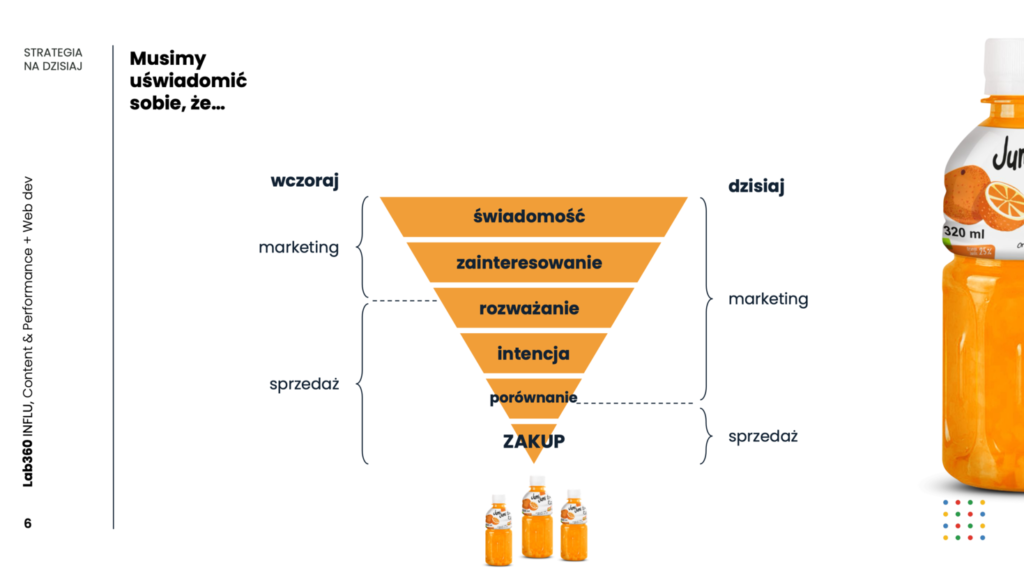
1. Change in the consumer decision-making process: Comparing “yesterday” and “today” in the strategy shows the evolution of the purchasing process, which now requires a more integrated marketing and sales approach. These changes indicate the need to adapt communication strategies to new realities, where awareness, interest, consideration, intention and comparison are key stages before purchase.
2. Breaking through the information clutter: The presentation (part of it) emphasized how important it is to engage and make the brand stand out among the excess of information. The communication strategy must respond to the challenges of authenticity and adaptation to the expectations of consumers who are bombarded with various content every day.
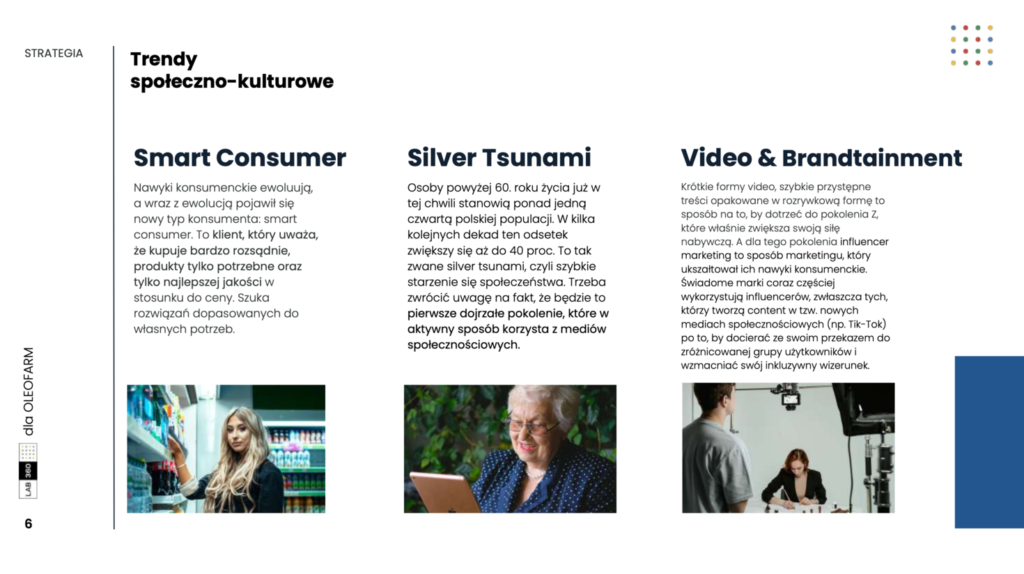
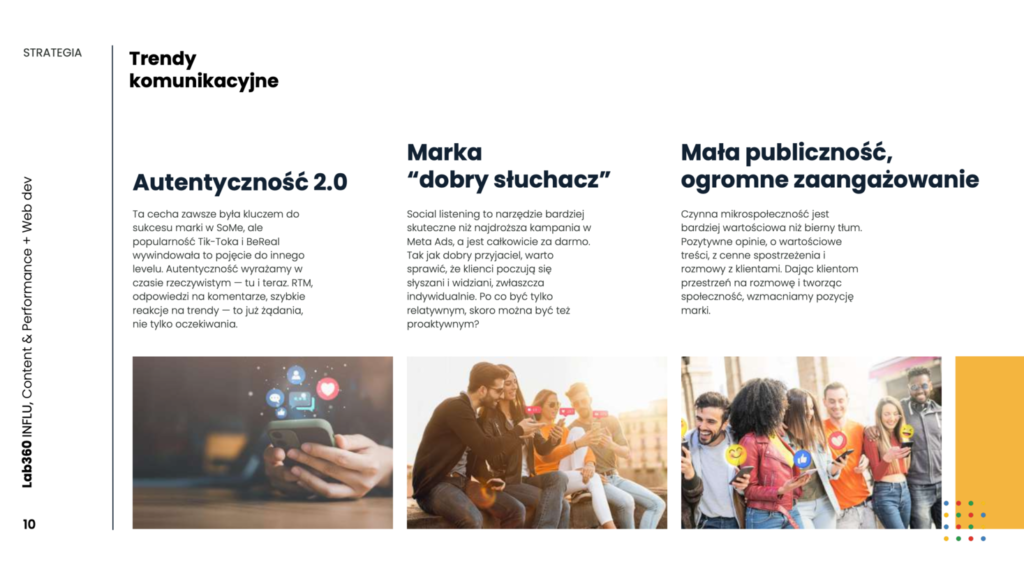
3. Using socio-cultural and communication trends: we pay attention to the importance of understanding and implementing trends such as prelaunch, outdoors, smart home, self-improvement, authenticity, social listening, and the creation of micro-communities. The communication strategy must take these trends into account to effectively reach target groups and build engagement.
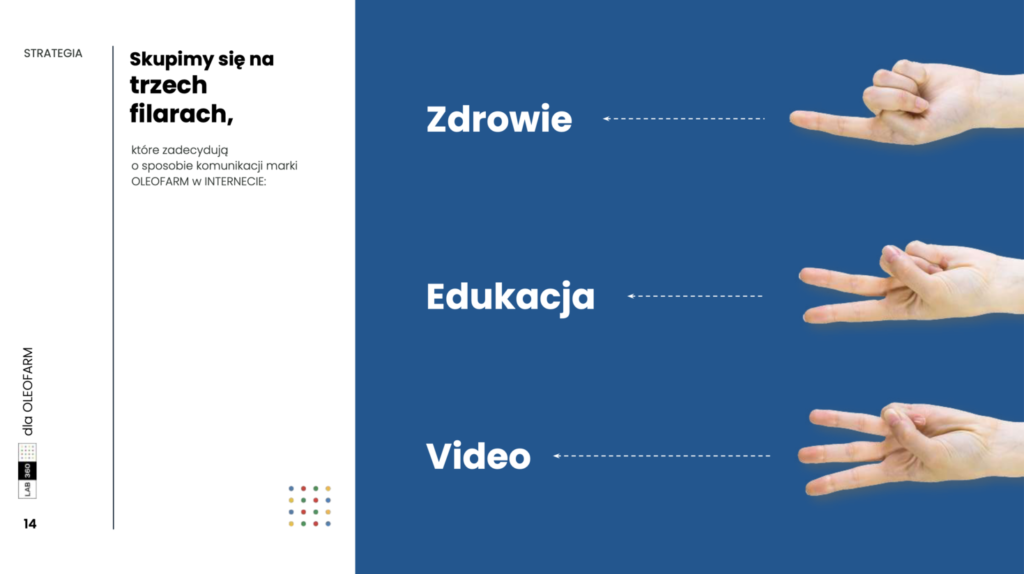
4. Purposeful and targeted marketing activities: The communication strategy is based on three pillars: quality, comfort and professionalism. Focusing on these values allows for precise adjustment of messages and offers to the needs and expectations of customers, which is crucial in achieving business and communication goals.
5. The role of strategy in inspiration and purchasing decisions: Citing the example of a brand, e.g. STIGA, indicates that being a source of inspiration, the brand becomes an integral element in the consumer decision-making process. Therefore, the communication strategy should not only provide information about products, but also provide added value by showing the real benefits of choosing a given brand.
To sum up, a communication strategy is necessary to effectively respond to the changing needs and expectations of consumers, use current socio-cultural and communication trends, effectively compete in an information-saturated environment and build long-term relationships with customers. We show that a well-planned and executed communication strategy is crucial for a brand’s success in today’s dynamically changing world. Check us out!
Digital.
A strictly digital communication strategy (in our digital world) is crucial for companies for many reasons, especially in today’s rapidly changing technological and consumer environment. Here are some top reasons why companies should develop and maintain an effective digital communications strategy:
1. Increasing visibility: In the age of the Internet, online presence is essential for building brand awareness. A communications strategy helps companies stand out in an oversaturated market by reaching the right audience through various digital channels such as social media, search engines, Tik Tok, automation and more.
2. Building relationships with customers: The new online communication strategy allows you to create and maintain relationships with customers. Through personalized messaging and real-time interactions, companies can better understand and meet their customers’ expectations, which in turn can lead to increased customer loyalty and satisfaction.
3. Conversion and sales optimization: An effective strategy allows you to better manage your company’s marketing and sales activities, which can significantly increase conversions and sales. Thanks to data analysis and targeting, companies can better tailor their messages and offers to specific customer segments.
4. Performance monitoring and analysis: Digital tools and platforms offer advanced monitoring and analysis capabilities, allowing companies to continuously assess the effectiveness of their communication strategies. This makes it possible to quickly identify areas for improvement and optimization of activities in real time.
5. Adapting to changing trends: The digital world is developing at a rapid pace, and a digital communication strategy allows companies to flexibly and quickly adapt to new trends, technologies and consumer preferences. This, in turn, helps keep the brand current and competitive.
6. Costs and ROI: Online marketing often offers a better return on investment (ROI) than traditional marketing methods. A digital communication strategy allows for accurate targeting and measurement of effects, which can contribute to a more effective use of the marketing budget.
7. Global Reach: A digital communication strategy enables companies to reach customers around the world with minimal effort and cost. Thanks to this, even small companies can compete on the global market.
That’s the final conclusion:) A digital communication strategy is essential for companies to effectively compete in the digital world, build strong relationships with customers, optimize their marketing and sales activities, and adapt to constant changes in technology and consumer behavior.
Successful implementation.
Here are some snippets of what we do.